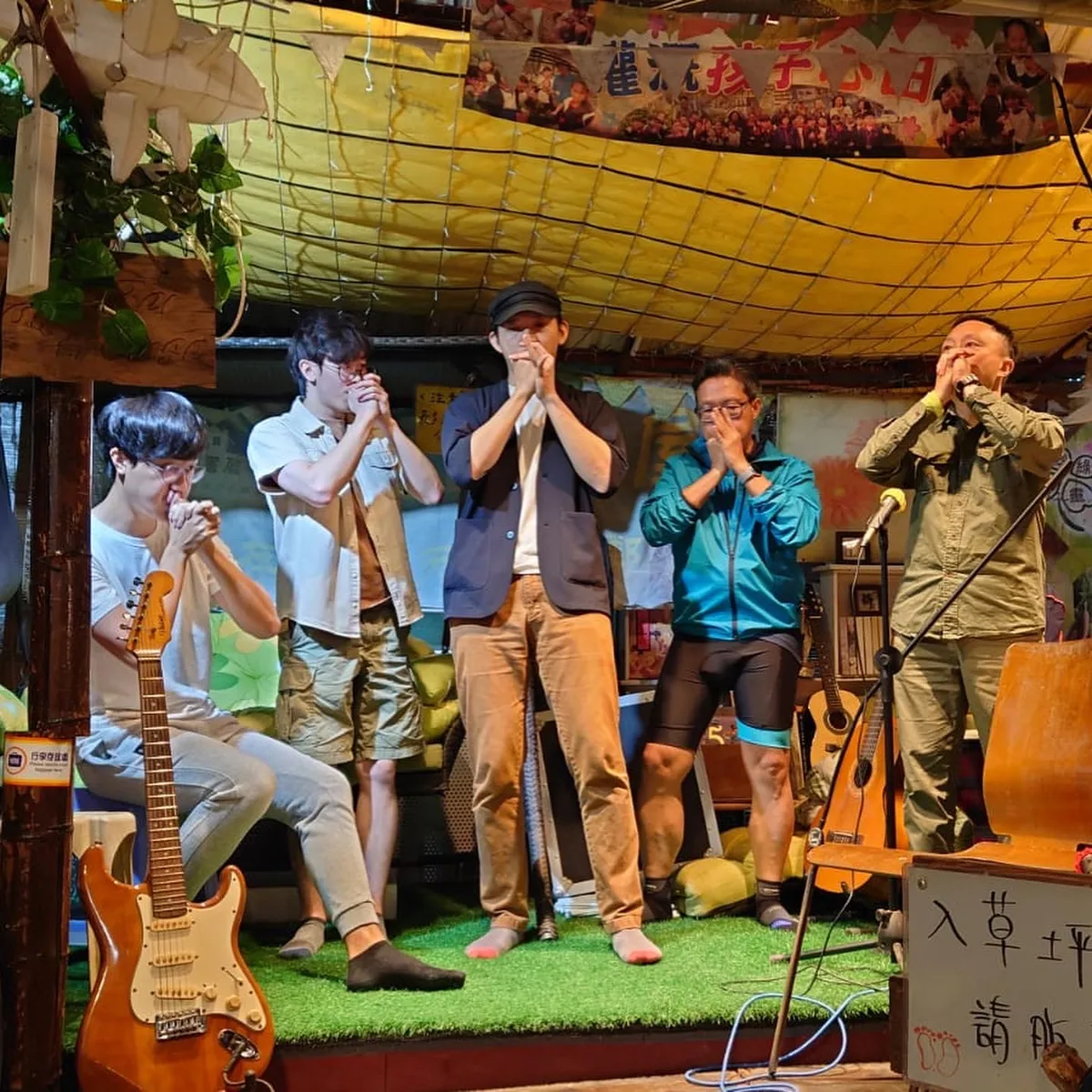
Green Music: How the Handflute Practises Zero-Carbon Sustainability
The Bill of Materials Is Zero
An acoustic guitar requires felling a tree. An electric piano requires mining. The handflute requires nothing at all.
That sounds like a gimmick, but think about it — the handflute's bill of materials is literally zero. No production carbon footprint, no packaging waste, no parts that need periodic replacement. Measured on environmental impact alone, it is the lightest-footprint option among all instruments, and that quality is not trivial today.
The Environmental Impact of Music Consumption
Conversations about sustainable living usually start with food, transport, and energy. Music consumption rarely enters the picture.
But the conversation is worth having. Buying an instrument is a consumption act — it involves raw material extraction, manufacturing, shipping, and eventually disposal at end of life. For most people, buying an instrument that ends up gathering dust in a corner is not an uncommon outcome.
A Zero-Risk Starting Point
The handflute does not have this problem. It has no physical form and no disposal issue. For people who are interested in music but unsure whether they will stick with it, the handflute is a zero-risk starting point — one that will not leave behind a space-occupying object if they decide to stop.
For businesses, the workshops offered by the Hong Kong Handflute Association can also serve as part of corporate social responsibility programmes — the Composers and Authors Society of Hong Kong (CASH) and the YMCA have both partnered with the Association in this way.
Zero-Carbon Concerts
Behind every traditional concert is a massive resource-consumption system.
Lighting rigs, sound systems, stage construction, promotional materials — every link in the chain consumes. A handflute concert structurally avoids most of these costs: the performers need only their hands, the audience need only their ears, and the venue can be any space where people gather. This lightweight performance format may represent a direction for live music events worth taking seriously.
Low-Carbon Music in Practice
The Hong Kong Handflute Association performed as a guest act at the Construction Industry Council Zero Carbon Park's low-carbon concert, a natural fit given the handflute's alignment with low-carbon principles. From elderly home corridors to Tsuen Wan Town Hall, from the Hong Kong Federation of Trade Unions' Arts Gala to the Orbis World Sight Day experience event at Maritime Square — handflute performances span events of every scale, all completed with minimal equipment.
The Association also actively promotes this angle in schools — getting students to think about the environmental impact of everyday choices, starting with their choice of instrument.