The History of Handflute: From Folk Art to Modern Music
The Oldest Form of Human-Made Music
Before musical instruments existed, humans had only their own bodies.
The exact history of the handflute is hard to pin down, but the act of cupping both hands together and blowing into them appears in folk cultures around the world. It is one of the oldest forms of human-produced music — not tied to any single culture, not patented, not attributed to any origin. It is closer to a shared human instinct. The problem is that this skill has been passed down informally for centuries, taught by word of mouth, surviving almost entirely outside the mainstream music world without any systematic instruction.
From Folk Art to Formal Organisation
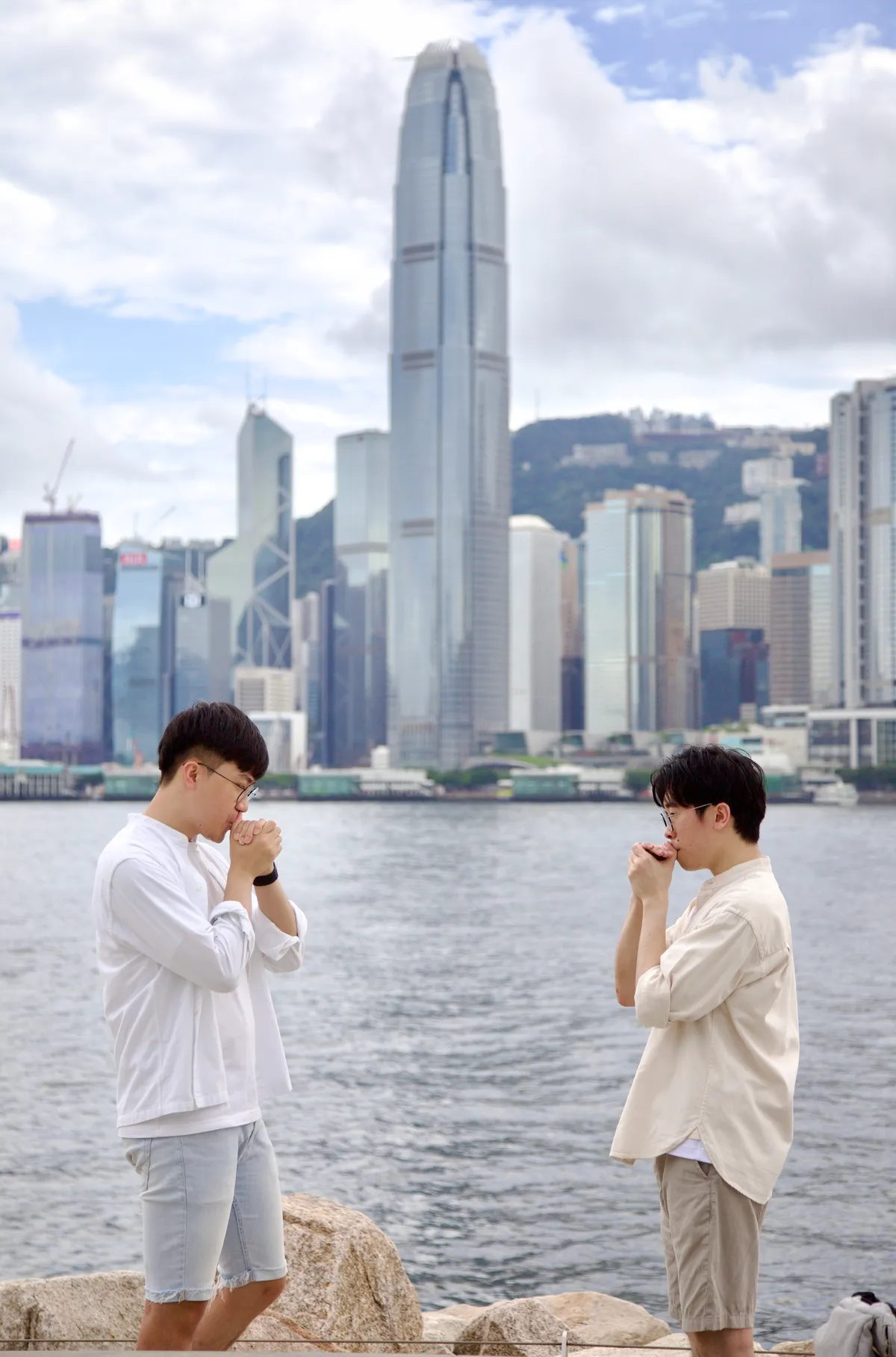
That has started to change. Handflute enthusiasts around the world have begun using modern media to document and share their craft, exploring collaborations between handflute and other instruments and expanding its tonal range. Leung Hei-yin (HeiYin), co-founder of the Hong Kong Handflute Association, holds a Grade 8 trumpet qualification from the Royal Schools of Music and has spent over a decade applying professional embouchure techniques to the handflute. The other co-founder, Yu Shun-hang (Ivan), has focused on exploring ensemble formats combining handflute with other instruments. Together, their work has given this obscure art form a formal organisational home in Hong Kong.
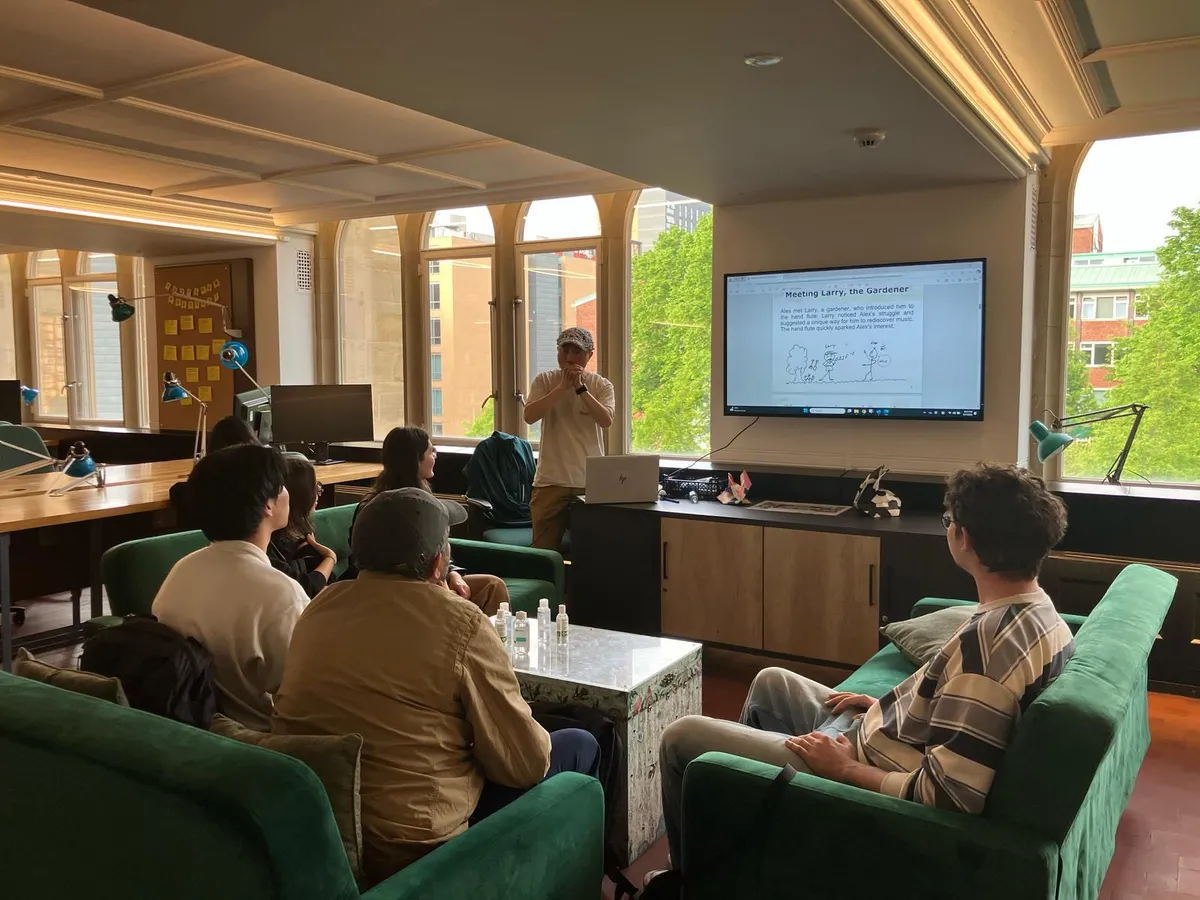
The Association has performed alongside the guzheng and was invited to hold a workshop at Manchester Museum in the UK. The handflute's story is still being written.