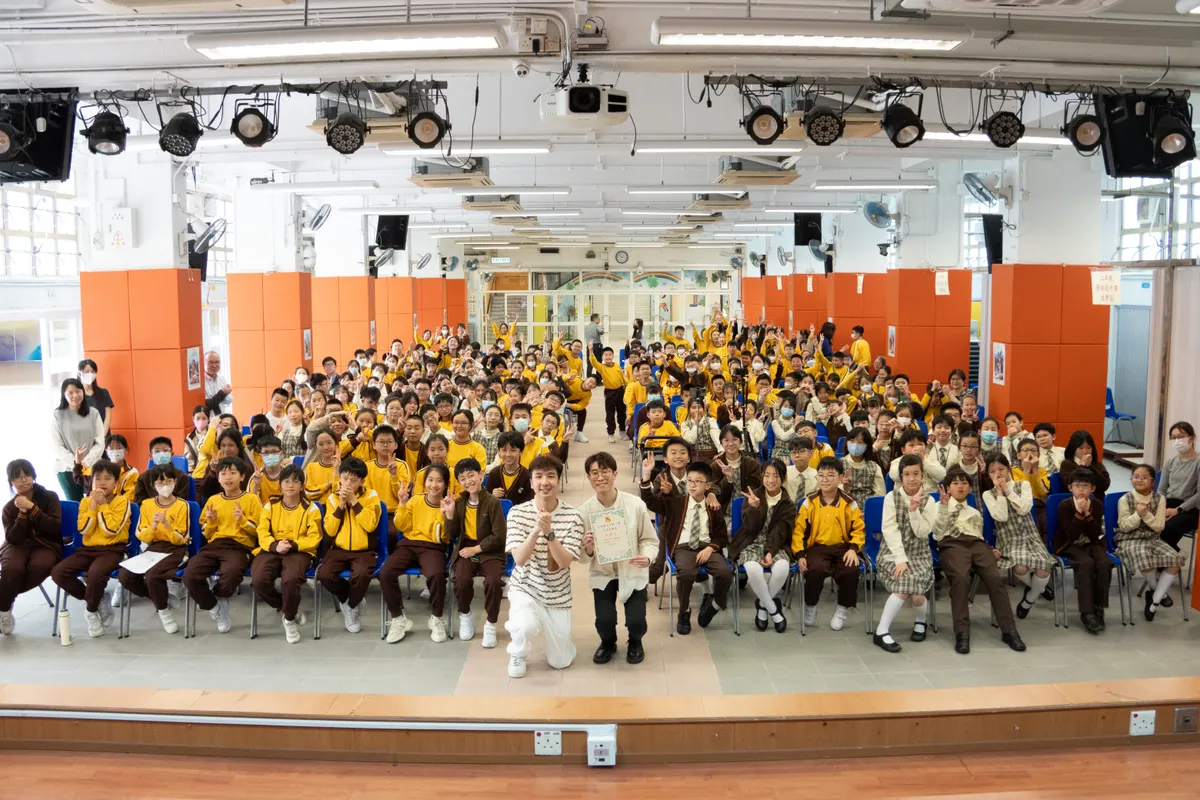
Holistic Education and Creative Arts: Applying the Handflute in Primary School Curricula
An Easy Piece of the Puzzle
The handflute doesn't need to compete for a fixed time slot — it's more like an easy piece to slot into the puzzle.
In a music class, it serves as an alternative demonstration of wind instruments. In a General Studies lesson on sound and physics, it becomes a living teaching aid. During a caring week or career planning activity, it's an experience designed to make students think, "I can actually do this." The Association's visiting instructors can adjust the content to fit the teacher's curriculum framework, making the handflute activity a supplement to existing plans rather than an extra burden.
"The Sound Comes From Me"
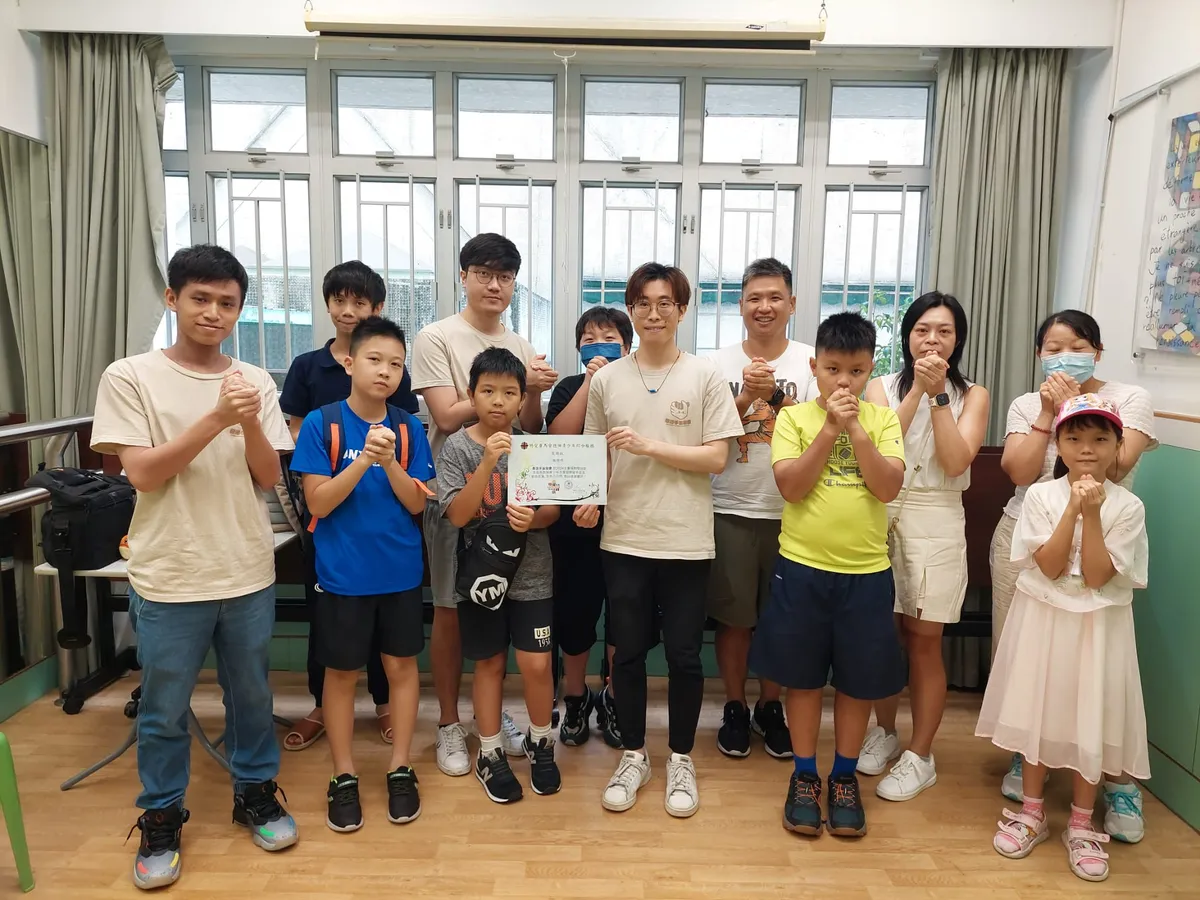
Children are naturally curious about sound, and the handflute is perhaps the most direct way to respond to that curiosity.
Producing sound with your own body gives a child a sense of ownership that playing an instrument does not quite match. What they feel is not "I am operating a tool" but "the sound comes from me." That subtle difference has real significance for building a positive connection to music in early childhood. On a sensory development level, playing the handflute requires hand coordination, breath control, and continuous auditory feedback — all operating at once. For young children, this is an effective yet gentle form of integrated training.
A Real Sense of Making Music
The Association has visited a number of schools, including Precious Blood Primary School (South Horizons), Sha Tin Methodist Primary School, and Tai Kok Tsui Catholic Primary School, and has also run workshops for children at Lutheran-affiliated organisations. The response on the ground has been remarkably consistent: teachers produce a sound faster than expected, and children engage more deeply than expected.
Based on the school feedback the Association receives, the most common follow-up is: "The students are asking if you can come back," or "The teachers want to learn properly themselves." The handflute isn't just a performance — it touches something that school music education often struggles to reach: a real, immediate sense of making music.
Related Articles
Continue Reading
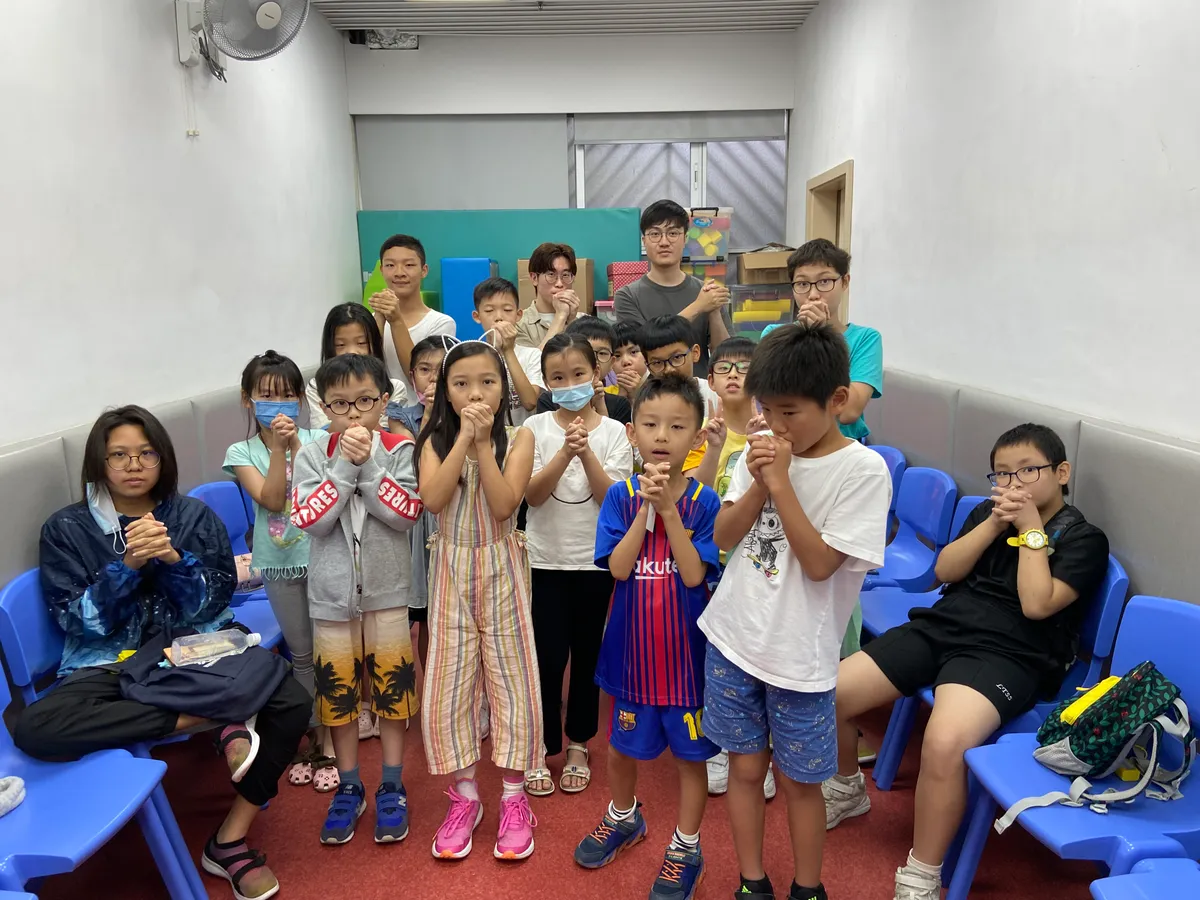
Parent-Child Handflute Workshops: A Musical Experience That Brings Families Closer
Parent-child handflute workshops let parents and children learn music together, building connection and communication through shared creation.
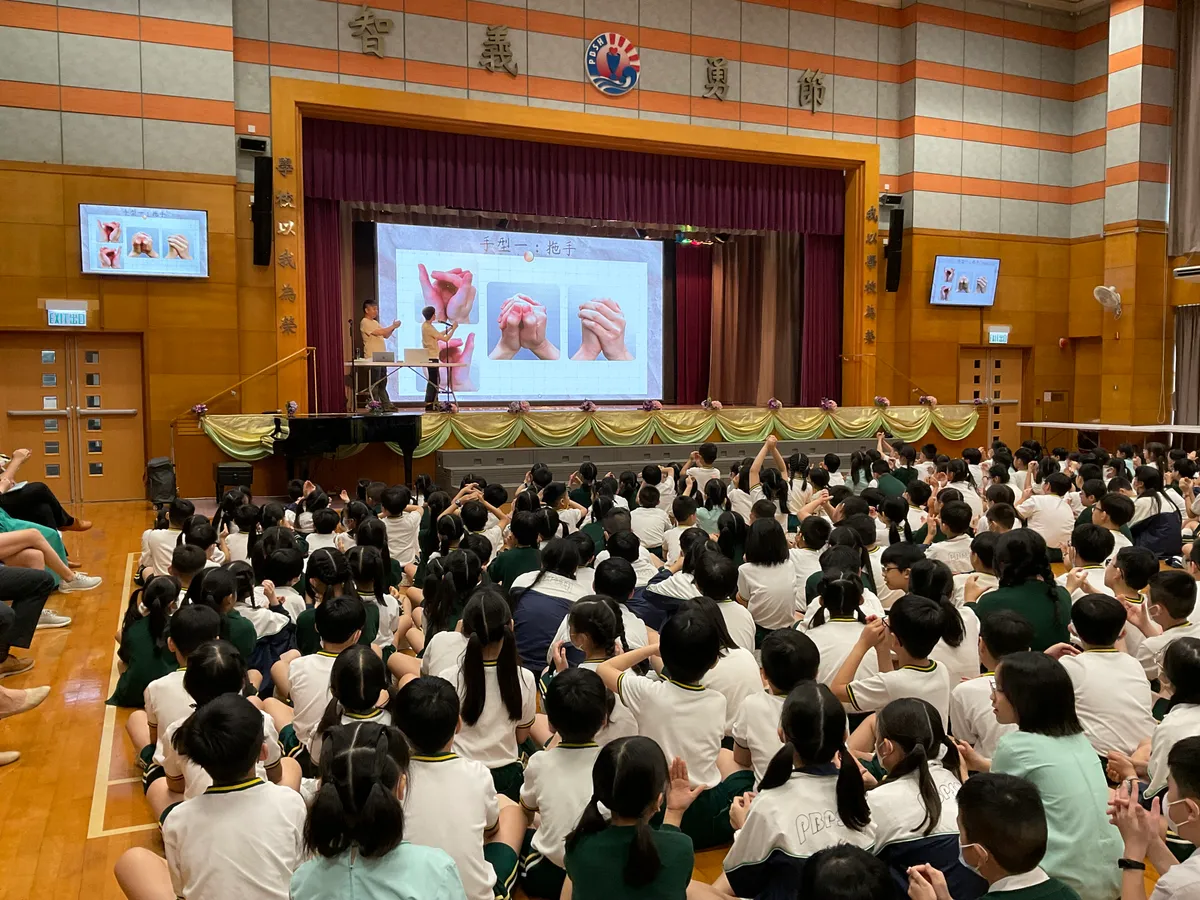
Handflute in Schools: How Visiting Instructors Are Changing Music Education
The Hong Kong Handflute Association's visiting instructor programme brings a fresh music education experience to schools.
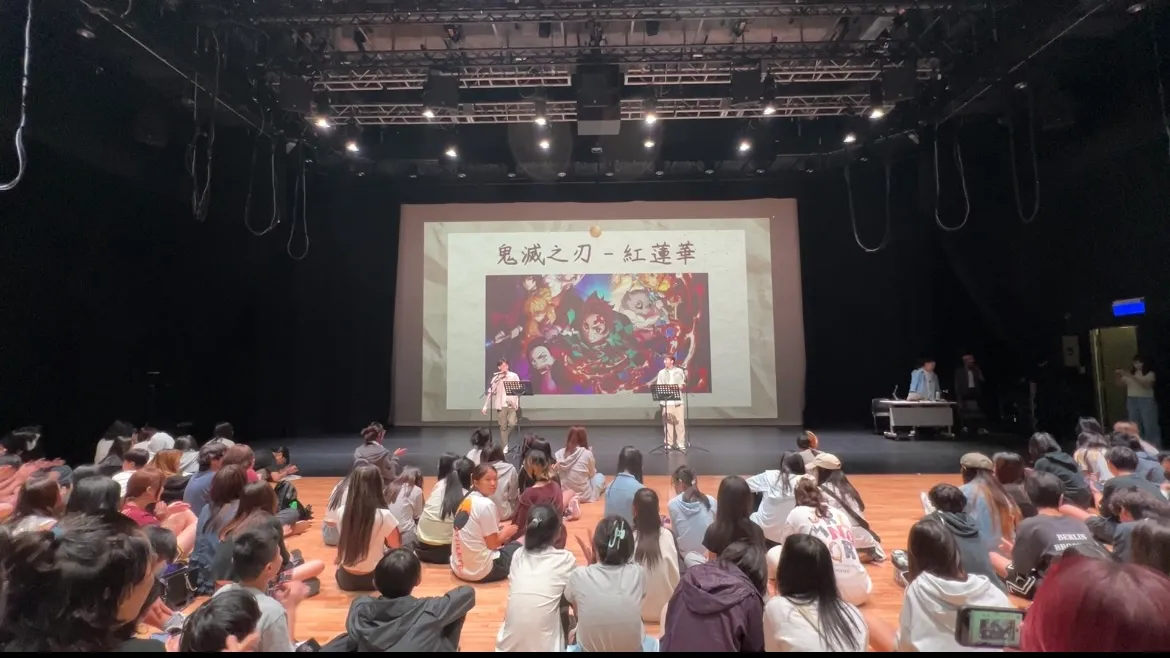
Handflute for Secondary Students: A New Musical Experience Through Experiential Learning
Handflute workshops bring secondary school students a distinctive musical experience that cultivates artistic appreciation.